Digital Transformation of the National Library of Russia
The National Library of Russia is one of the largest libraries in Europe and a major cultural institution with extensive collections, complex organizational structure, and significant public impact.
By the time the transformation began, there was a clear gap between the scale of the institution and the state of its technology landscape. Core operations relied on fragmented legacy systems built over many years on outdated technologies. Data was spread across dozens of independent databases, reader services were disconnected, and rapidly growing demand for remote access required a fundamentally new service model.
Situation
The library held more than 37 million items, yet its technology environment had evolved in a fragmented and unsystematic way.
Key challenges included:
- multiple isolated databases and applications;
- outdated platforms and increasing operational risk;
- no unified access point to the collections;
- duplicated data and manual workflows;
- weak integration between internal systems;
- limited online services for readers;
- growing digital demand combined with an offline-first service model.
At the same time, annual website visits exceeded 6.5 million, while physical visits were around 275,000, clearly indicating the need to shift toward a digital-first model.
Task
The objective was to define and execute a comprehensive digital transformation strategy for a national library:
- establish a modern technological foundation;
- consolidate critical data assets;
- modernize core library processes;
- introduce self-service capabilities;
- ensure scalability and resilience;
- shift reader interaction into digital channels;
- prepare the institution for integration with national digital initiatives.
What Was Done
1. Established a new digital core
I led a full-scale transition from a fragmented legacy landscape to a centralized, enterprise-grade platform for library operations.
As part of the transformation:
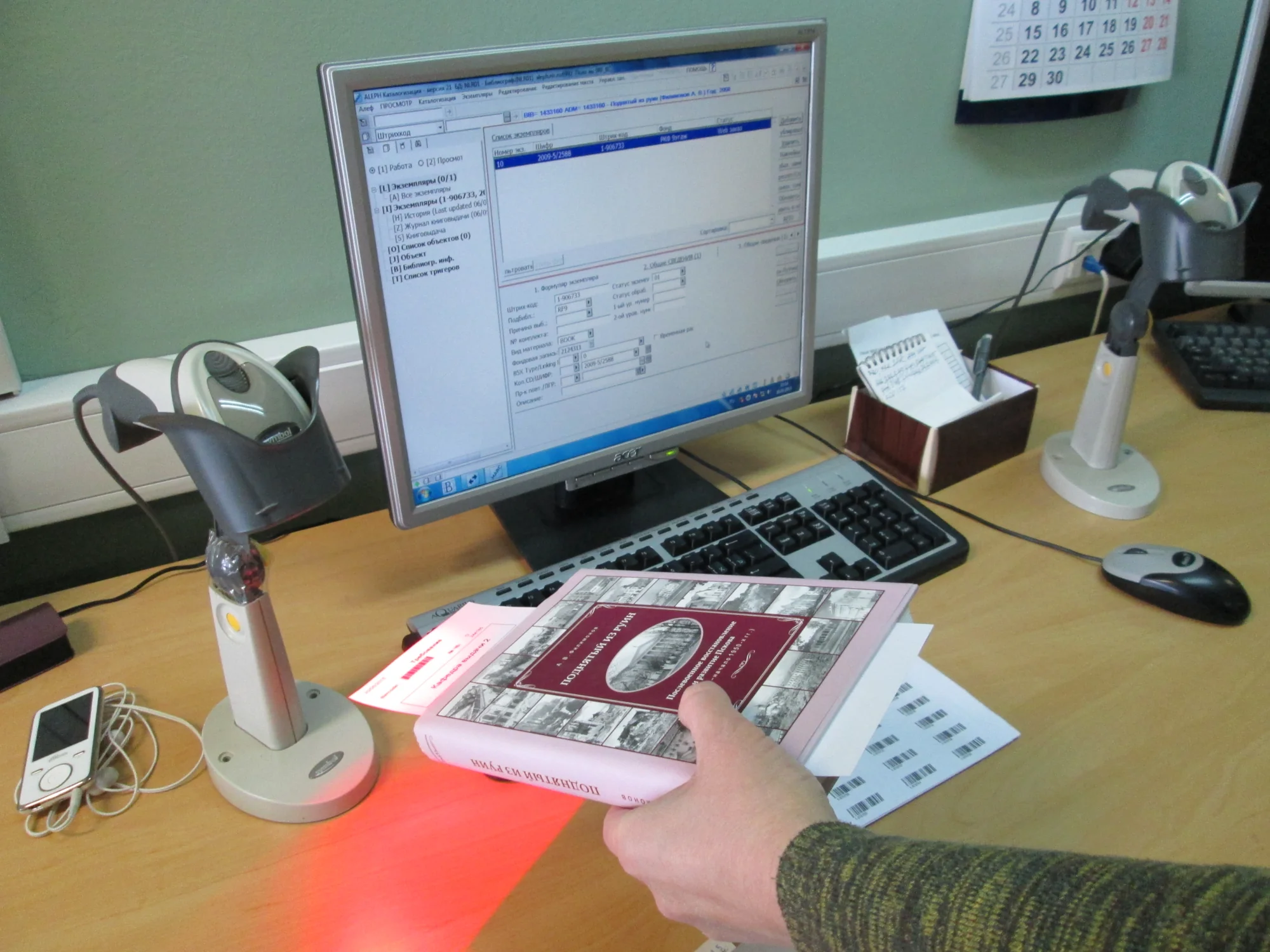
- Aleph was implemented as a leading enterprise library management system;
- Primo was introduced as a modern discovery platform for unified search and digital access.
This established a unified, enterprise-grade platform supporting core library operations at national scale.
2. Consolidated data at national scale
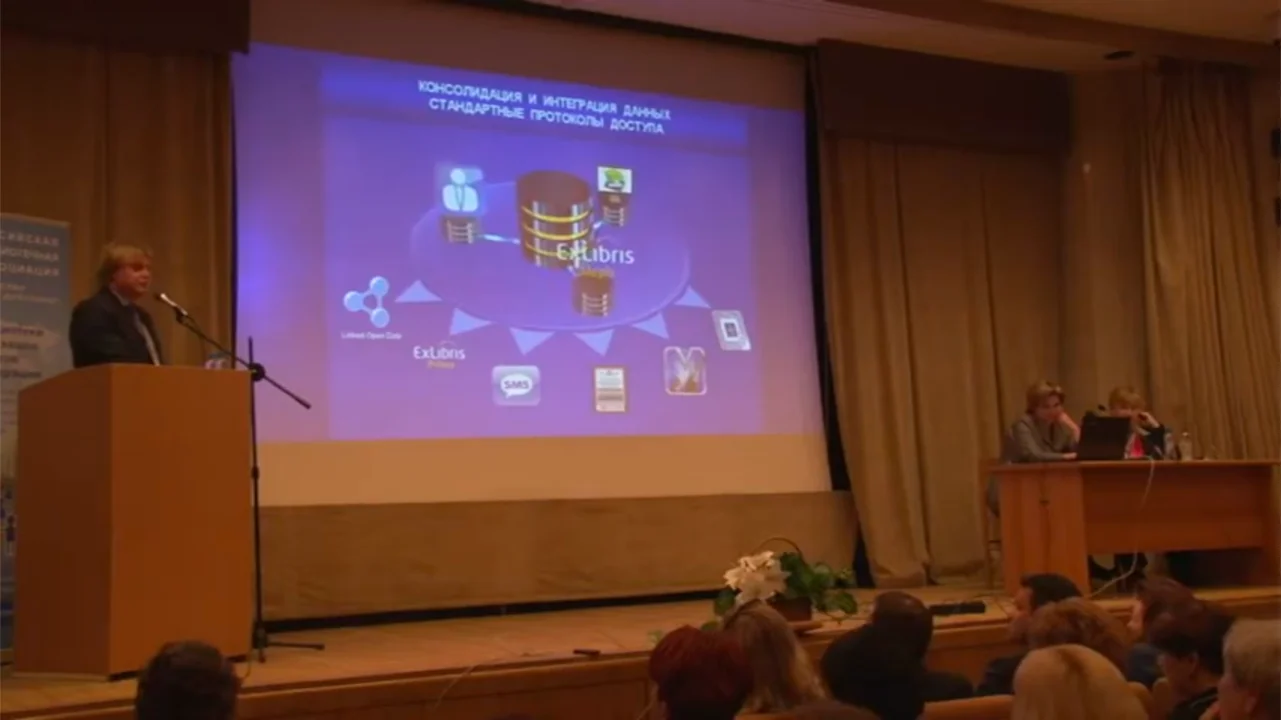
Data from 26 historically independent catalogs, databases, and operational systems — built on different technologies and maintained by different organizational units — was consolidated into a unified structure.
This resulted in:
- a single source of truth;
- centralized catalog management;
- elimination of duplication;
- faster internal processes;
- a foundation for future service development.
3. Redesigned the reader experience
The traditional, location-dependent service model was replaced with a modern, service-oriented experience.
Readers gained the ability to:
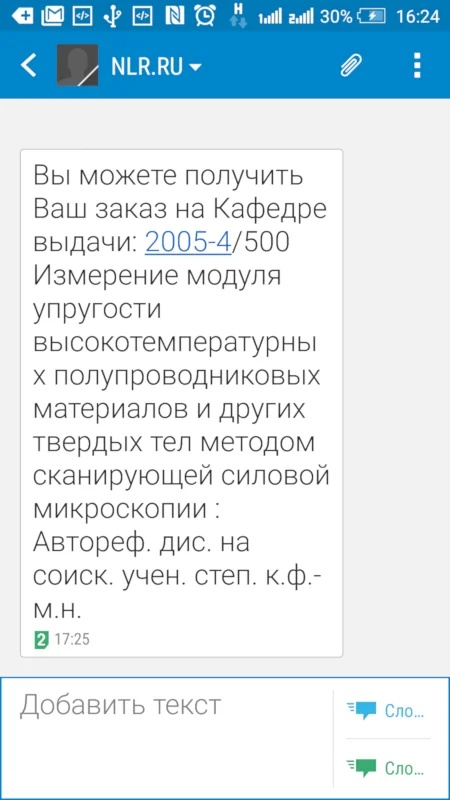
- search the catalog remotely through a unified interface;
- access digital content;
- submit requests online;
- choose delivery locations;
- track request status;
- use a personal account;
- receive notifications.
The library effectively shifted from a “visit to access services” model to a “services available online” model. A user survey showed that over 80% of users were satisfied with the new experience.
4. Built a unified user platform
I initiated the consolidation of fragmented reader data into a single user platform, integrated across:
- registration systems;
- access control;
- online services;
- website;
- personal accounts;
- core library operations.
5. Modernized infrastructure
To support the new platform, the underlying infrastructure was significantly upgraded:
- compute resources;
- server architecture;
- storage systems;
- backup and recovery;
- high availability;
- network connectivity across locations.
6. Introduced next-generation services
The transformation also included the rollout of modern user-facing services:
- public Wi-Fi;
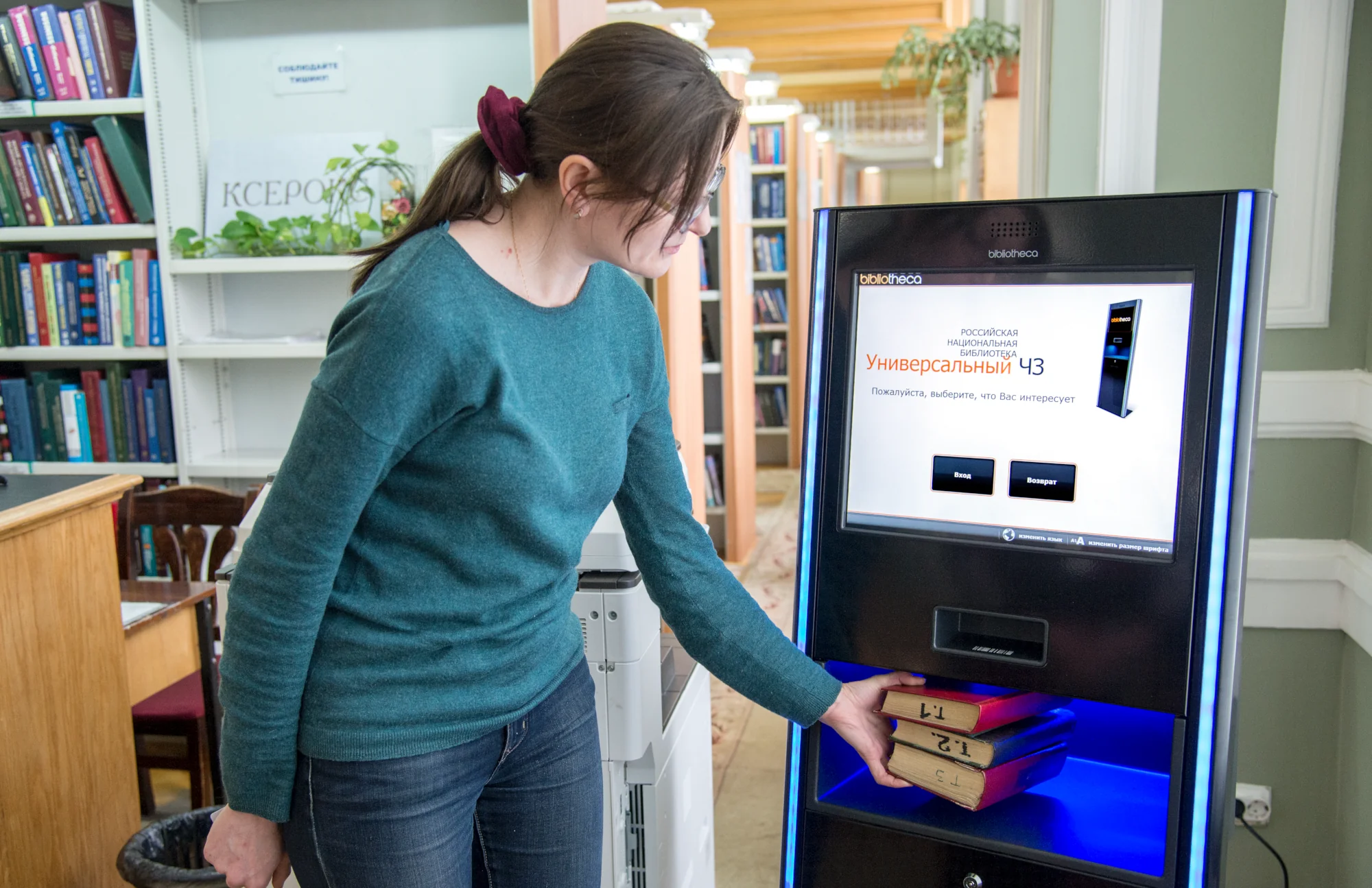
- self-service kiosks;
- digital navigation;
- QR-based exhibition services;
- notification systems;
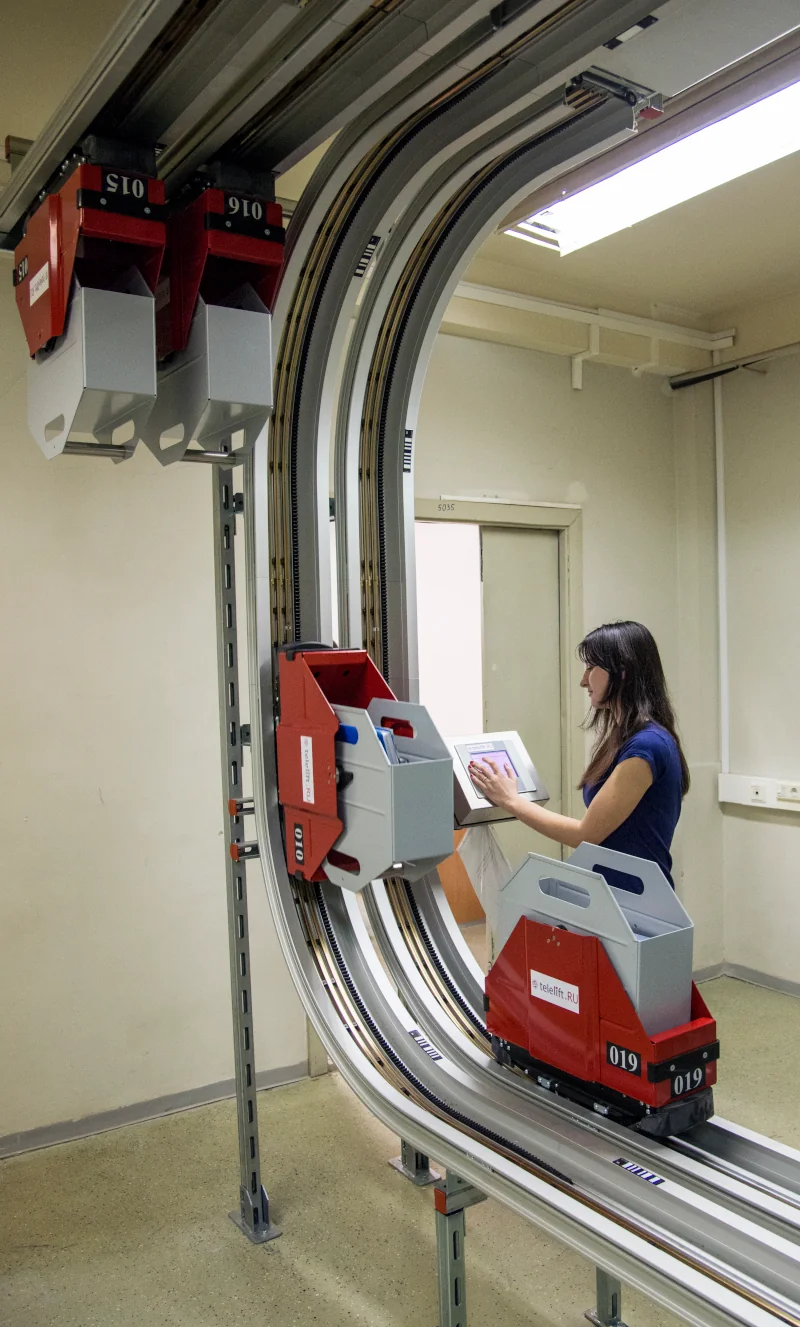
- automation of circulation processes;
- groundwork for RFID and self-service scenarios.
7. Enabled integration with national digital initiatives
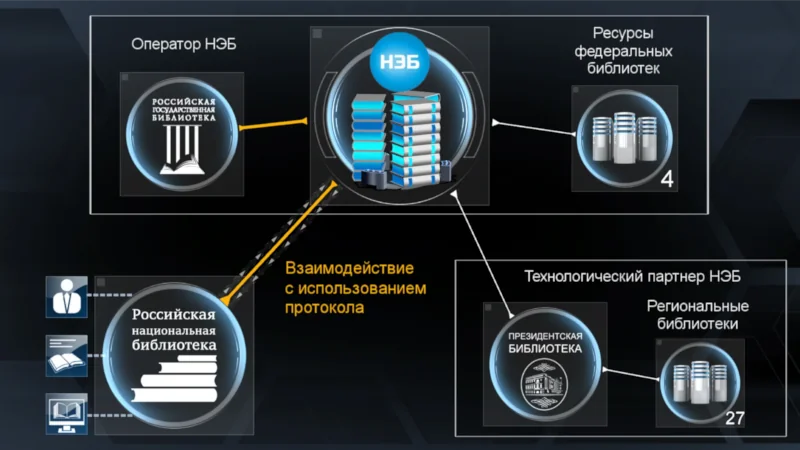
The new architecture positioned the library as a full participant in the development of a national digital library ecosystem, including integration with the National Electronic Library.
Results
The project established a sustainable technological foundation for long-term development and scalable service delivery.
Key outcomes:
- a unified catalog with 10+ million records;
- consolidation of 26 legacy systems;
- launch of online request and access services;
- a unified user identity layer;
- improved performance and system resilience;
- accelerated core library processes;
- a foundation for continuous modernization.
My Role
I acted as the transformation lead, bridging strategy, technology, and organizational change. I was responsible for the strategic leadership of the transformation program, covering both business and technology dimensions:
- securing executive alignment for the transformation roadmap;
- ensuring funding for key modernization phases;
- aligning multiple internal stakeholders across the organization;
- managing international vendors;
- maintaining continuity of critical services throughout the transformation.
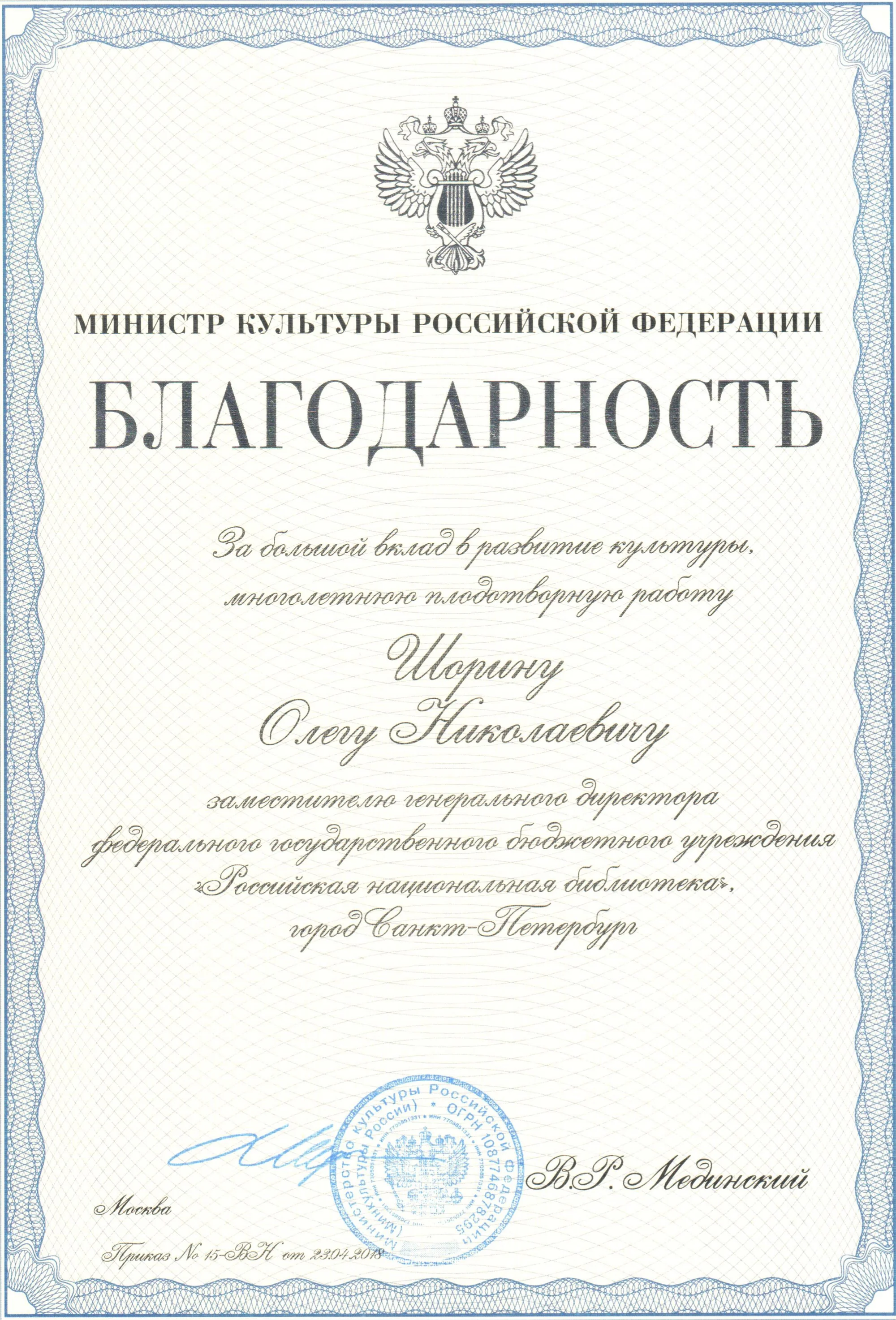
For my work on this project, I received a Certificate of Appreciation from the Minister of Culture of the Russian Federation.
Why This Project Matters
The transformation was executed without interrupting the daily operations of the library, in a highly complex organizational environment where service continuity was critical.
It represents a rare case of successfully modernizing a large historical public institution, where technology directly strengthened its core mission: preserving cultural heritage while expanding access to knowledge.
Publications
I also published an in-depth expert analysis of the strategic transformation of the library, outlining the transition toward a more user-centric service model, enabling remote, 24/7 access with a high standard of service.